
How the Devil bought Prada
Miranda Priestly's big return is a film about Diet Coke. For some reason.

The Crank combines caustic cultural analysis and fake hair. It updates every Monday.
The Devil Wears Prada is a tight, stylish film about work. Antagonistic though she may be, Miranda Priestly is ultimately a sympathetic presence for how much she has had to sacrifice to get where she is. For all its cerulean sweaters and pithy monologues, the film never loses its emotional grounding of the stress and graft it takes to succeed as a woman professionally.
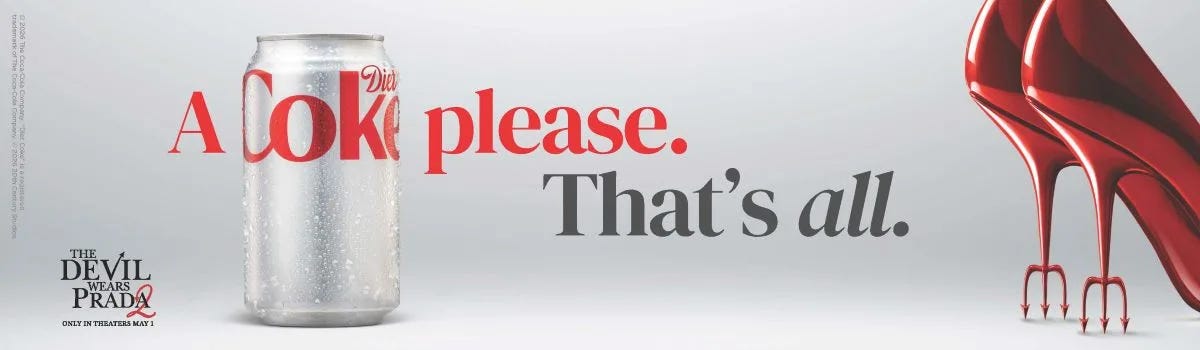
By contrast, The Devil Wears Prada 2 is a film about Diet Coke.
Every scene in the first half of this long-awaited sequel must contain Diet Coke; characters must sip it, store it, enjoy it – they must rely on it and position it in the centre of every available shot. Anne Hathaway, Meryl Streep, Stanley Tucci, and Emily Blunt are all given top billing on their return, but in reality, they are bit players here.
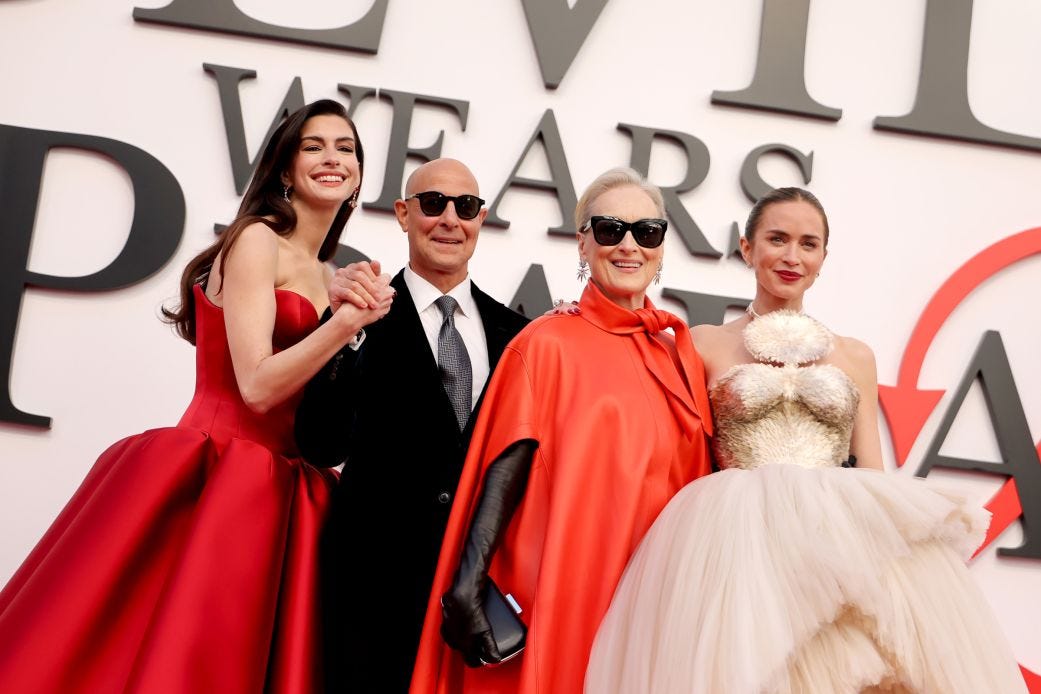
In a depressing turn, The Devil Wears Prada 2 has to fight for screentime in its own film. As a result, this is a sequel that only makes sense if you imagine they have been cryogenically frozen for twenty years in a freak accident.
It forgets that the original outing works because it pushes Hathaway’s young ingenue, Andy Sachs, to see how far she will go to succeed professionally. When she lands a rebound job as Features Editor at Runway magazine, she is treated like a downtrodden intern once again: a recurring (and quickly unfunny) joke is that Miranda does not even remember her. Rather than updating her character to reflect the two decades of work in publishing and writing the film insists she has, Andy gets lumped together with the other juniors at Runway.
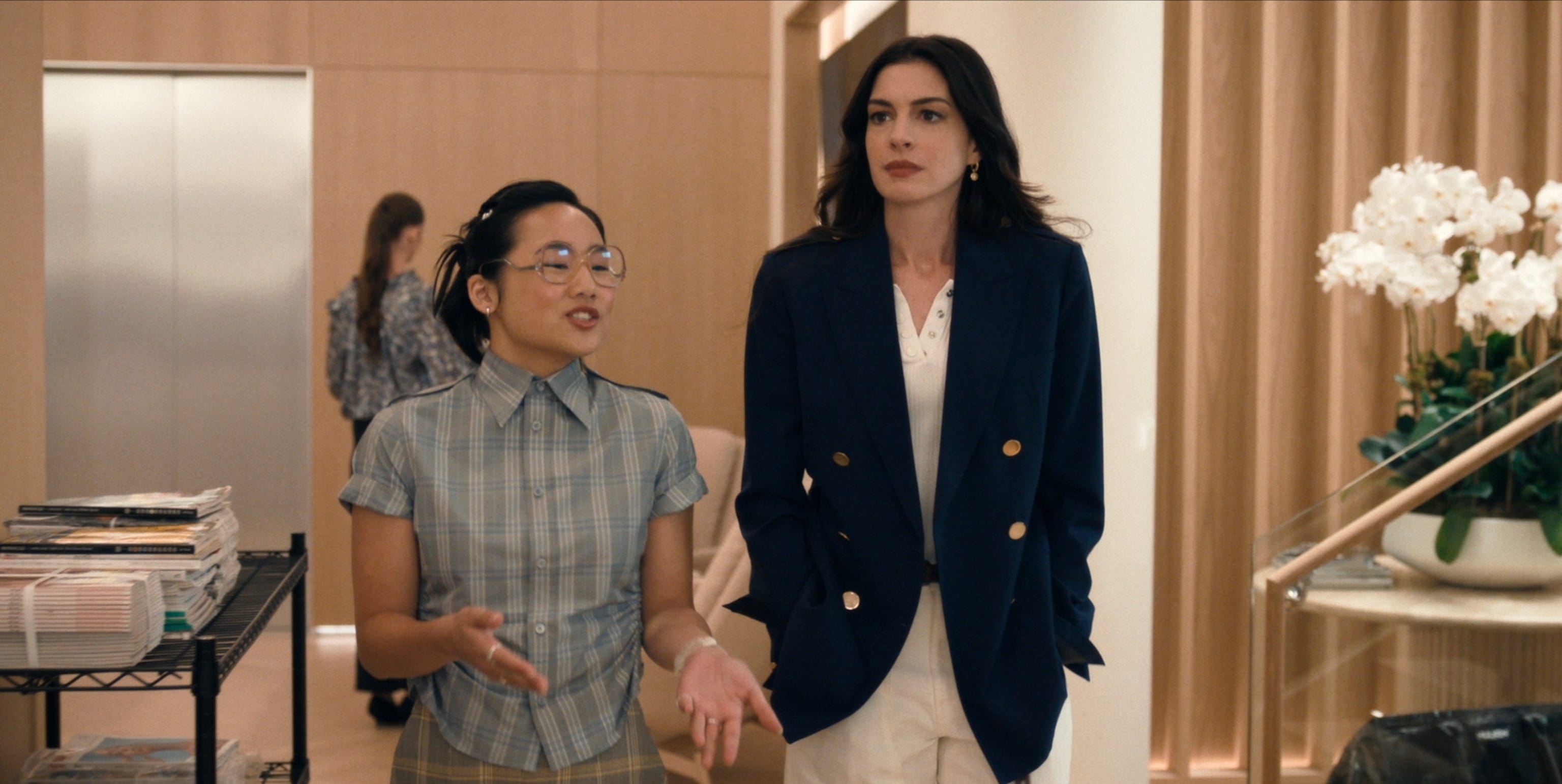
This is a missed opportunity of epic proportions, sidestepping the chance to have Andy experience Runway from the other side, managing a small army of fresh-faced newcomers.
How does she react when given the power Miranda once wielded over her?
But that would be too risky. The first movie was compelling because it drew parallels between Andy and Meryl Streep’s Miranda, who is left with nobody to play off in this outing as a result of Andy’s lack of development. This is a sequel that talks a lot about change but is utterly uninterested in allowing it – because that would mean less time for traipsing around Dior’s New York showroom and enumerating their latest products.
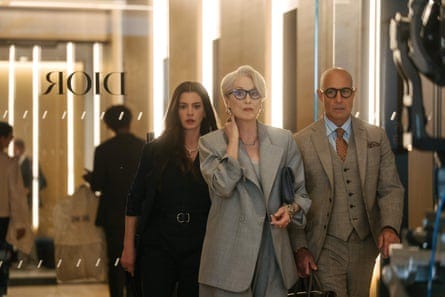
Once the studio execs get tired of what are very clearly last-minute script edits to prioritise the original cast, the second half of the movie picks up a little. There is some semblance of a plot and some idea of timely commentary – an itching reminder that the original film critiques an industry rather than just rolling around in its glittery muck. Billionaires and private equity lurk at Runway’s doorstep; threats of AI models and hostile takeovers drive much of the action; Emily Blunt’s surprise villain turn is not believable, but it is entertaining.
The issue is that the film’s triumphant ending, in which Andy and Miranda wrestle back control over Runway from a nefariously tasteless billionaire and his cabal of corporate lackeys, spoils any goodwill a competent second half builds up.
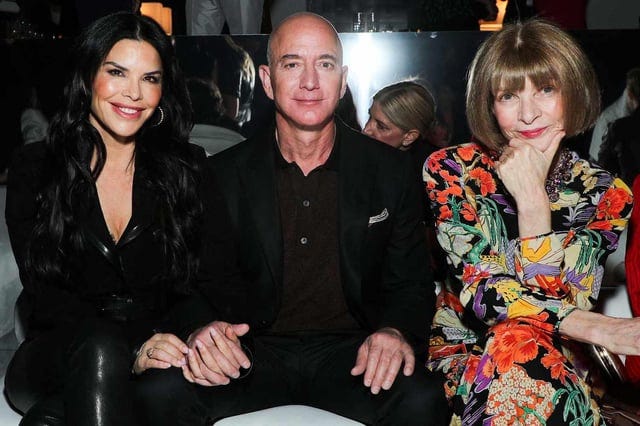
The Devil Wears Prada 2 ends with the tastemakers retaining control – the threat of mindless corporate takeover that stalks the film is seen off by a counteroffer from the billionaire’s ex-wife. The effortless glamour that Miranda Priestly embodies, threatened the whole runtime by these nouveau-riche upstarts, is suddenly compatible with another such ghoul. Again, Miranda is left with nothing to do beyond grovelling at the heels of a tertiary character to reset everything in the film.
The message seems to be that the only thing that can defeat a bad guy with a billion dollars is a good guy with a billion dollars. The dream Miranda embodies – of a woman who has worked and fought for her power as a tastemaker – is left to rot.
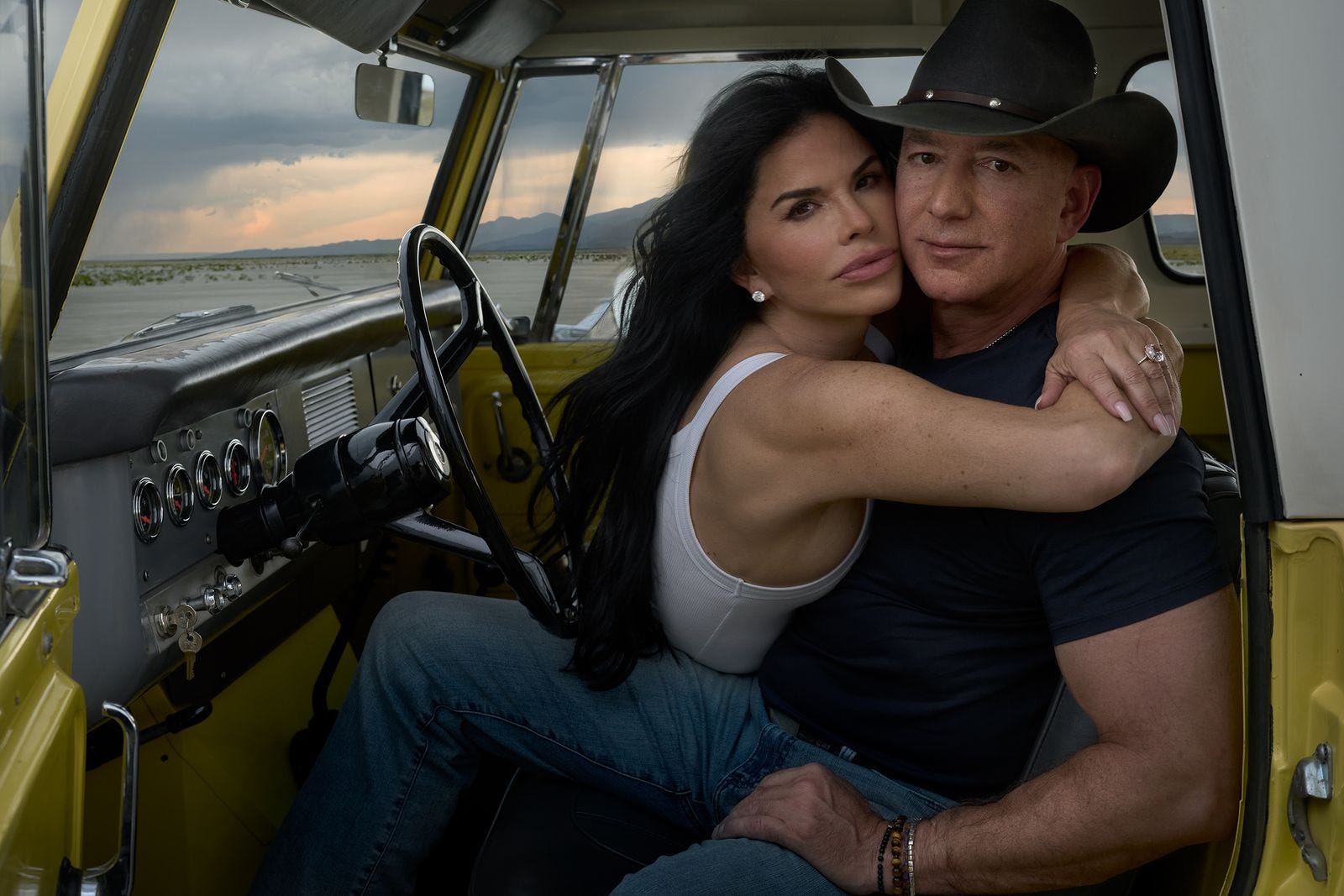
In the end, this is a cold, sad sequel that will make an obscene amount of money for its investors. It makes vague statements about the sanctity of taste and journalistic integrity only to become the kind of product placement chum-fest it rails against. Beloved characters and intriguing newcomers alike are warped and mangled around the need to spend half an hour at an open house in downtown New York brought to you by Zillow. By my estimation, the tour of the new Dior showroom got more screentime than Andy’s love interest, and Diet Coke features more heavily than most of her friend group.
The corpse of the original film slowly decomposes on screen, leaving only Diet Coke cans and Bezos lookalikes in its wake. The Devil no longer wears Prada: he owns it.
Thank you for reading this week’s edition of The Crank. Subscribers can enjoy weekly articles each Monday, delivered right to your inbox for free.
The next issue of Crank Calls, my advice column, is coming this Friday. You can submit your trials and tribulations for review using this link.
I took time out of my revision to read this #worth it
You’re being generous. Sounds like they went full farango, pieced together around product placement